Growing Reader (6–8) Science & Learning

Space and Nature Books for Young Readers

Space and Nature Books for Young Readers

Space and nature books earn their place when a child can look at the real thing afterward. The moon is out. Snow is on the ground. A seed is in a cup on the windowsill. The book gives them words for what they just saw.

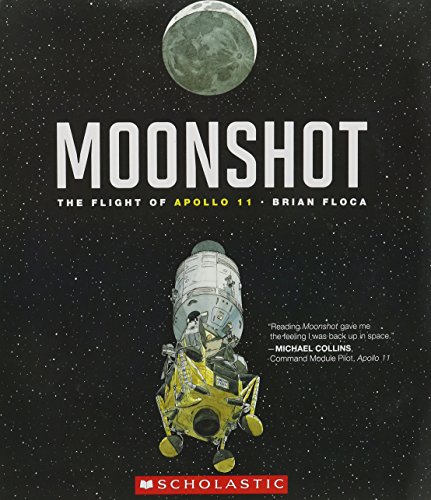
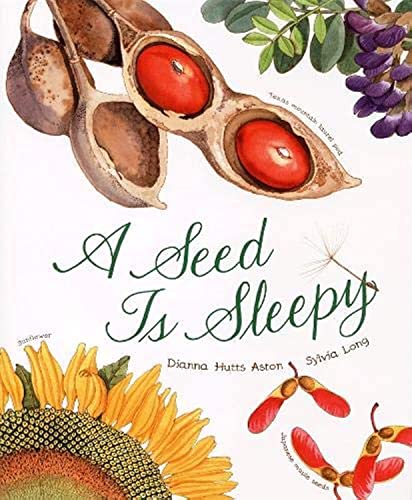
There\'s No Place Like Space is the easiest read in this pile, with the Cat in the Hat doing the tour. Moonshot and The Darkest Dark need you nearby, because the pictures carry a lot and the ideas are big. Over and Under the Snow and A Seed Is Sleepy reward a slow look.

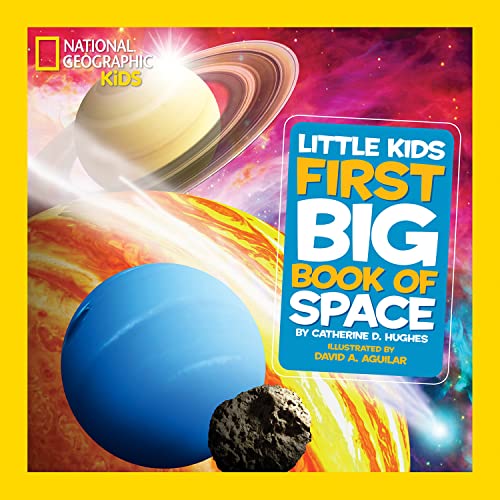
The National Geographic space book is a lap book. Let them choose the planet. You are not assigning chapters.

Pair one story with one fact book. A child who only gets facts can miss the feeling of the dark. A child who only gets the story may still want to know how far the moon is.

Go outside afterward if the sky is clear. Two minutes of looking does more than an extra chapter, and then the book has somewhere to land.
Each pick includes a summary and a link to Amazon.

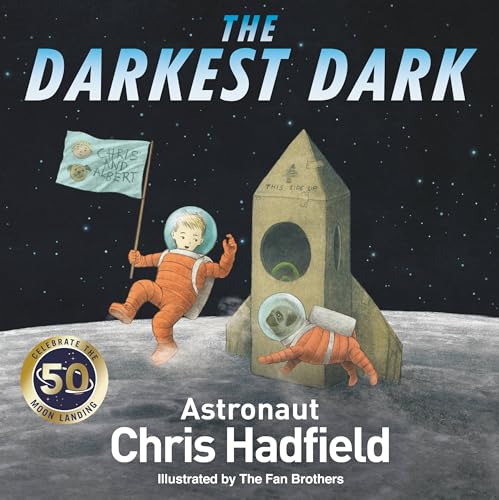
The Darkest Dark

The Darkest Dark

by Chris Hadfield

Young Chris Hadfield loves rockets and is afraid of the dark in his own room. One night he sees the moon landing and the dark starts to look different. It is a picture book with a true story under it. Read it with a child who wants the lights left on.

Get a copy

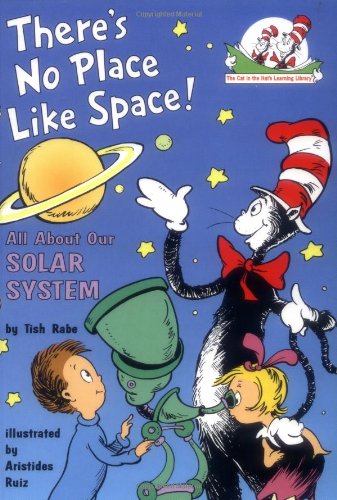
There's No Place Like Space

There's No Place Like Space

by Tish Rabe

The Cat in the Hat packs the children into a rocket and names the planets in order. The rhyme makes the facts easier to remember, and the book is short enough to finish. A solid first space book before you try anything longer. Point at each planet as he names it, and stop when the rhyme is done.

Get a copy

Moonshot

Moonshot

by Brian Floca

The Apollo 11 flight, told with pictures of the rocket, the lander, and the people waiting at home. The text is spare. Sit where you can both see the pages, and let them ask you to go back to the launch. The quiet of the moon landing is the page worth a second look.

Get a copy

Over and Under the S...

Over and Under the Snow

by Kate Messner

A child on skis looks at the quiet snow and the book shows the animals living underneath it. Each spread is one creature and one small scene. Read it in winter, then go outside and talk about what you cannot see. One animal under the snow is enough for a single night.

Get a copy

A Seed Is Sleepy

A Seed Is Sleepy

by Dianna Hutts Aston

Seeds get described one way at a time: sleepy, secretive, fruitful. The paintings are large, and a few of the words will need a plain translation from you. Read two spreads a night if the whole book feels like a lot. The pictures are the lesson. The hard words can wait.

Get a copy

National Geographic Little Kids First Big Book of Space

National Geographic Little Kids First Big Book of Space

by Catherine D. Hughes

Planets, stars, and astronauts, with short captions and pictures that fill the page. Treat it like a menu. The child picks a spread, you read the caption, and you stop before it turns into a lecture. One planet, then close it. The rest of space will still be there tomorrow.

Get a copy

More lists